

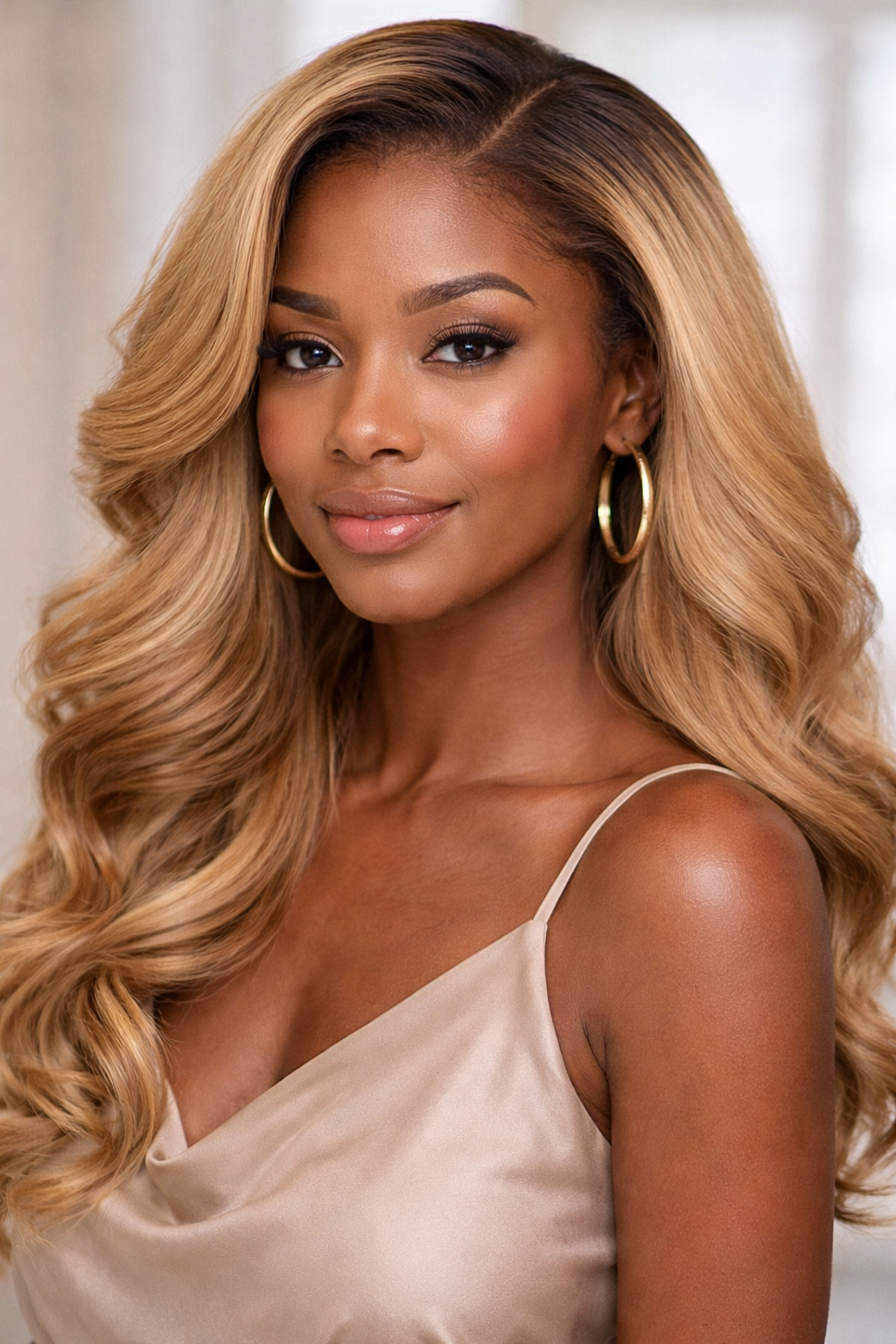
This image is property of The Press Room Salon
One of the most common conversations I have in the salon starts like this:
“But my hair is still natural… I just color it.”
And technically, you’re right.
You’re natural in the sense that your hair is not relaxed.
But chemically, hair color is still a chemical process.
That doesn’t make it bad.
It just means it needs to be understood.
What “Natural Hair” Actually Means
In the hair industry, “natural” typically refers to hair that has not been permanently altered by chemical straightening, like a relaxer or texturizer.
What’s often overlooked is that hair color is also a chemical process. Especially when lifting is involved.
Permanent color, bleach, highlights, balayage, and corrective color all change the internal structure of the hair strand.
This is why hair can look beautiful and still behave differently after coloring.
How Hair Color Alters the Hair
Hair color works by opening the cuticle layer of the hair.
When lifting is involved, natural pigment is removed to create a lighter shade.
That process can affect:
Curl pattern definition
Moisture retention
Elasticity
Porosity
How hair responds to heat and styling
Some clients notice minimal change.
Others feel it immediately.
Neither is wrong. Hair responds differently based on genetics, maintenance, and how the color is applied.
Why Color and Relaxers Get Compared
Relaxers permanently change the structure of the hair to straighten it.
Hair color permanently changes the structure to alter pigment.
Different goals. Different chemicals.
But both create permanent change.
This doesn’t mean you shouldn’t color your hair.
It means color should be treated with the same respect as any chemical service.
What Changes After Lifting Hair
After lifting, hair often needs:
More consistent moisture
Stronger bond support
Gentler heat usage
A maintenance routine that matches its new porosity
This is why hair that was once low-maintenance may suddenly feel like it needs more attention.
It’s not failing.
It’s responding to change.
How to Keep Colored Hair Healthy
At The Press Room, post-color care is non-negotiable.
After lifting, I recommend:
Moisturizing shampoo that won’t strip
A deep conditioner that restores hydration
Bond-supporting treatments when needed
A lightweight sealing product before heat
CECRED products are especially helpful post-color because they support moisture balance and strength without weighing the hair down. I’ll always guide you on which product fits your hair and color history best.
This Isn’t About Fear, It’s About Clarity
Hair color is not the enemy.
Chemicals are not the enemy.
Misinformation is.
When you understand what your hair has been through, you can care for it properly and keep it healthy, long, and thriving.
And that’s always the goal.
Important Disclosure
This blog is for educational purposes only and is not medical advice. Hair responds differently based on individual health, genetics, and lifestyle. Always consult a licensed professional or medical provider for concerns beyond cosmetic hair care.