

Why Your Hair Changed and Why It May Not Go Back to What It Was Before
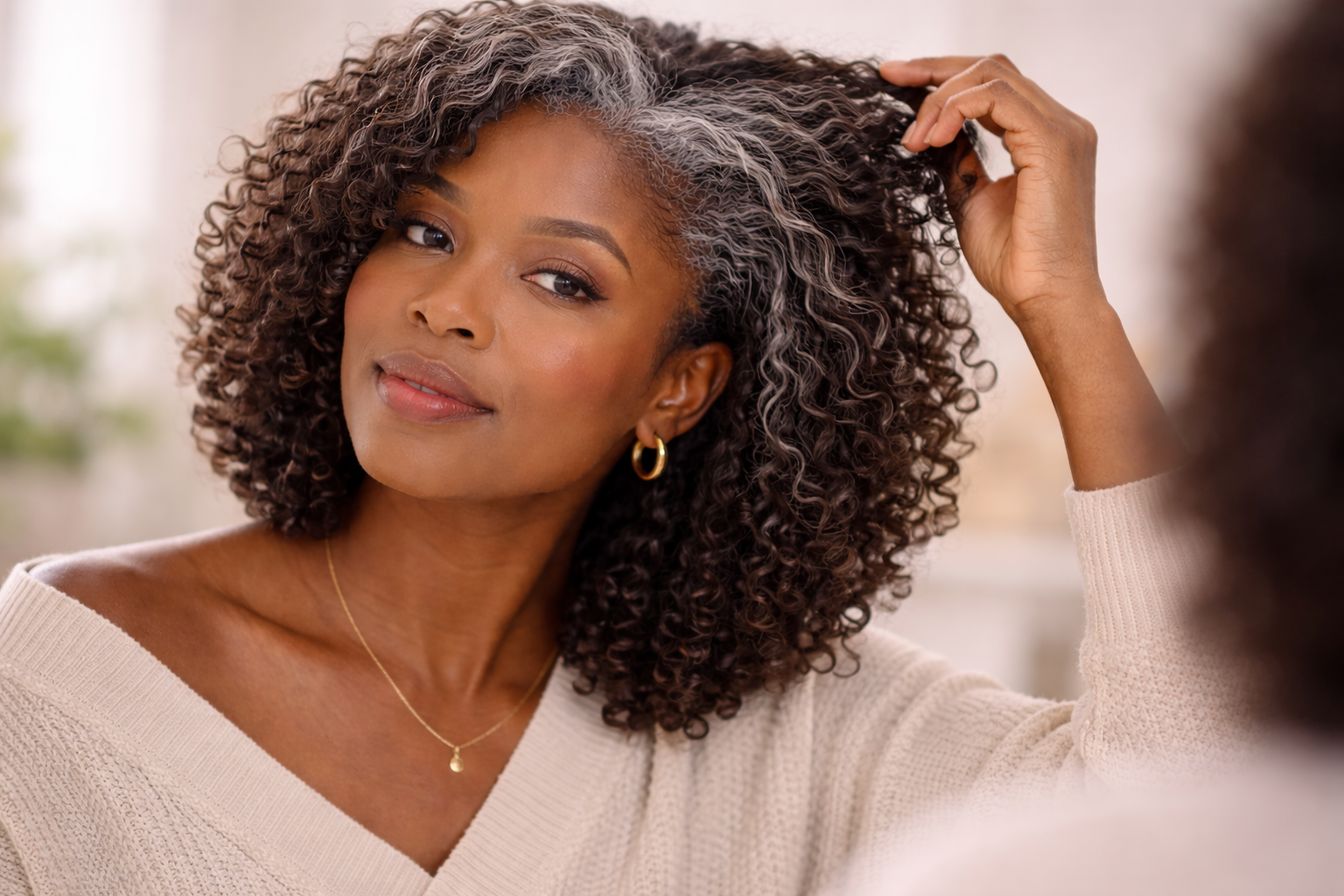
Many people sit in my chair holding onto a version of their hair from the past.
Before postpartum.
Before perimenopause.
Before stress, illness, or major life changes.
And one of the most common questions I hear is:
“Will my hair go back to how it was before?”
The honest answer is sometimes difficult, but important to hear.
Hair can heal.
Hair can strengthen.
Hair can become healthy again.
But it doesn’t always return to the exact texture, density, or behavior it once had.
Hair changes are a normal part of life
Hair is influenced by the body, hormones, and environment. As those things shift, hair responds.
Common moments when hair changes include:
Pregnancy and postpartum
Perimenopause and menopause
Long-term stress or burnout
Significant weight changes
Illness or medication changes
Aging
These shifts don’t mean damage. They mean adaptation.
What people often mistake for damage
When hair changes, many people assume something went wrong in their routine.
But changes in:
Curl pattern
Density
Thickness
Growth rate
Shed patterns
are often internal, not stylist-induced.
This is why trying to “fix” hair by chasing old routines or products doesn’t always work.
A key truth most people don’t hear
Hair has memory.
Once the body goes through certain changes, hair may grow back differently even when it’s healthy.
That doesn’t mean:
You did something wrong
Your hair is unhealthy
You can’t have strong, beautiful hair again
It means the goal may need to shift.
Moving forward instead of looking back
The most successful clients I work with stop asking:
“How do I get my old hair back?”
And start asking:
“How do I support the hair I have now?”
That shift changes everything.
It allows for:
Realistic expectations
Better maintenance routines
Less frustration
Healthier long-term results
What healthy hair looks like now
Healthy hair today may look different than healthy hair five or ten years ago.
It might mean:
Slightly shorter length
Different density
More intentional styling
Adjusted timelines between services
None of that is failure.
It’s alignment.
The takeaway
Hair isn’t static. It evolves with you.
Letting go of the version your hair used to be makes space to care for the version you have now — and that’s where real progress happens.
Disclaimer:
The information shared on this blog is for educational and informational purposes only and is based on professional experience as a licensed hairstylist. It is not intended to diagnose, treat, or replace medical advice. Hair and scalp concerns can be influenced by a variety of factors, including health, lifestyle, and environment. For medical conditions or persistent concerns, please consult a qualified healthcare provider.