

When Hair Loss Isn’t About Hair Care: Stress, Hormones, and Internal Shifts
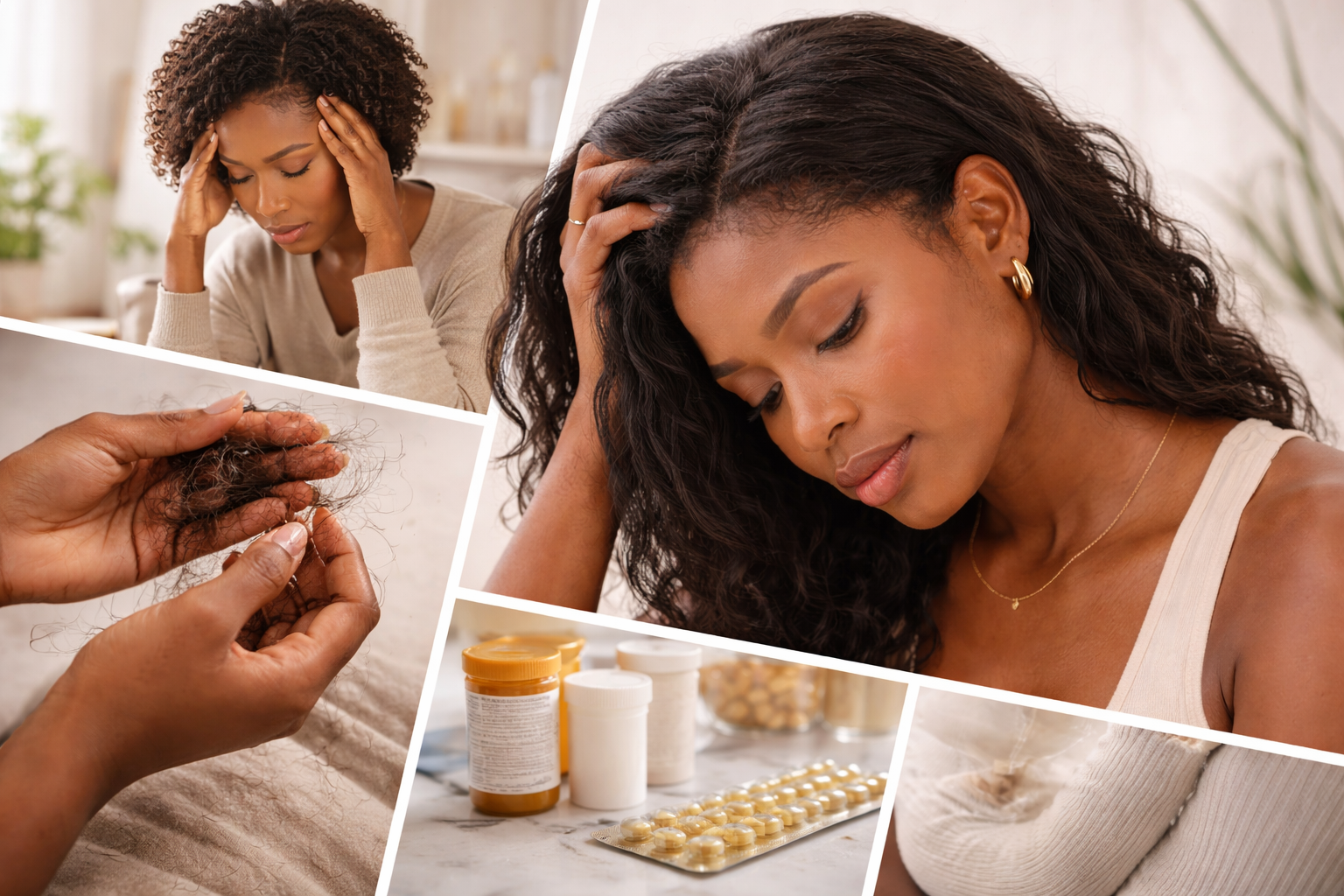
This photo is the property of The Press Room Salon
There are moments in the salon when a client is doing everything “right” and still experiencing shedding, thinning, or changes in density.
Good products.
Consistent appointments.
Healthy styling habits.
And yet, their hair is telling a different story.
This is when it’s important to say something honestly and responsibly:
Sometimes hair loss isn’t about hair care at all.
What I look at first as a licensed professional
Before assuming damage or improper maintenance, I pay attention to patterns.
Has the hair changed suddenly
Is shedding excessive or prolonged
Is density shifting at the crown or hairline
Does the hair feel different than it used to
When these changes don’t align with styling habits, it often points to internal shifts rather than external causes.
Stress and the hair growth cycle
Here’s a fact many people don’t realize:
Stress can push hair prematurely into the shedding phase of the growth cycle.
This is often referred to as stress-related shedding, and it may occur weeks or even months after a stressful event. That’s why many clients don’t connect the two.
The stress could be:
Emotional stress
Physical stress
Illness
Significant life changes
Long periods of burnout
The hair doesn’t respond instantly. It responds over time.
Hormonal changes and hair behavior
Hormones play a major role in how hair grows, sheds, and retains length.
Hair changes are commonly observed during:
Postpartum
Perimenopause
Menopause
Major hormonal fluctuations
Certain medication changes
These shifts don’t mean something is “wrong.” They mean the body is adjusting.
And during those adjustments, hair texture, density, and shedding patterns can change.
Why products and routines don’t always fix this
This is where frustration builds.
When hair loss is internally driven, no product can override what the body is processing. Products support the hair externally, but they don’t correct internal triggers.
This is why clients often say:
“I’ve tried everything.”
In reality, they’ve done nothing wrong.
What is within your control
Even when internal factors are involved, hair still benefits from supportive care.
That may include:
Gentle handling and reduced tension
Maintenance schedules that minimize stress on the hair
Hydration and moisture balance
Adjusting styling expectations temporarily
Protecting the hair while the body recalibrates
Supportive care helps minimize additional stress on the hair while internal factors are addressed.
Knowing when to seek additional support
As a licensed professional, I don’t diagnose or treat medical conditions.
However, when hair loss is sudden, persistent, or paired with other physical changes, I always encourage clients to consult a qualified healthcare provider or dermatologist.
Hair is often one of the first places internal changes become visible.
Listening to that signal matters.
The takeaway
Hair loss is not always a reflection of your routine, effort, or consistency.
Sometimes it’s communication.
And addressing it with patience, care, and the right support is far more effective than chasing fixes that were never meant for the root cause.
Disclaimer:
The information shared on this blog is for educational and informational purposes only and is based on professional experience as a licensed hairstylist. It is not intended to diagnose, treat, or replace medical advice. Hair and scalp concerns can be influenced by a variety of factors, including health, lifestyle, and environment. For medical conditions or persistent concerns, please consult a qualified healthcare provider.