

Why “Protective Styles” Aren’t Always Protective
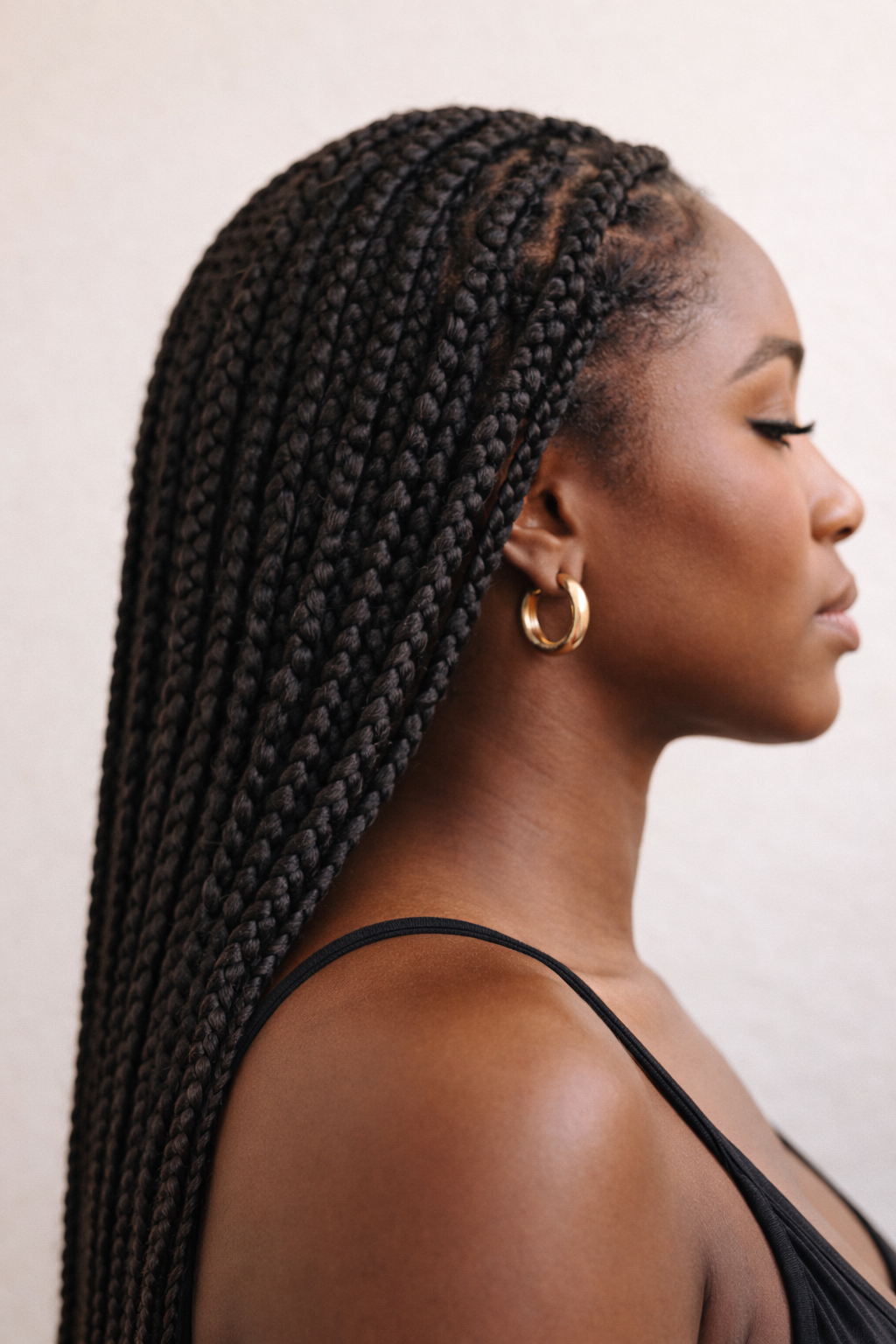
Braids. Sew-ins. Wigs. Twists.
We’re often told these styles are protective but many women sit in my chair confused about why their hair feels drier, thinner, or more fragile when the style comes down.
And honestly? I get it.
A protective style can support healthy hair but only when it’s paired with the right care. The style alone isn’t enough.
Braids. Sew-ins. Wigs. Twists.
These styles are often called protective, yet many women sit in my chair confused about why their hair feels drier, thinner, or more fragile once the style comes down.
And honestly, I get it.
A protective style can support healthy hair, but only when it's paired with the right care. The style alone isn't enough.
Do Protective Styles Actually Protect Your Hair?
Here's what most people don't realize: your hair doesn't stop needing moisture, balance, and maintenance just because it's tucked away.
During colder months or stressful seasons, it often needs more support, not less.
What I See Underneath Long-Term Protective Styles
Dry, brittle strands
Breakage around the hairline
Shedding that goes unnoticed until takedown
Scalp buildup or irritation
None of this happens overnight. It builds quietly. If you're not sure whether what you're seeing is shedding or breakage, read Hair Shedding vs. Breakage: What's Actually Happening and Why It Matters.
What Makes a Style Truly Protective
A style supports healthy hair when:
Your hair is properly cleansed and conditioned before the install
Moisture and protein balance are maintained while the style is in
Your scalp is still being cared for
Trims and maintenance are scheduled intentionally
Without those pieces, hair can weaken even when it looks "put away."
Protective Styling vs. Protective Care
This is the difference many people miss: a protective style isn't the same as protective care.
If the hair underneath isn't being treated, hydrated, or maintained, the style becomes a cover, not protection.
This matters most with:
Sew-ins worn longer than 3 months
Braids installed too tightly or left in too long
Active lifestyles with regular workouts and sweating
Seasonal dryness in winter
How to Care for Your Hair Under a Sew-In, Braids, or Wig
In the salon, depending on the client, I may recommend:
Moisture-focused treatments before the install
Steam or deep conditioning services
Scalp care between styles
Shorter wear times for certain styles
Maintenance appointments instead of long gaps
At home, between appointments:
Keep your scalp clean and fresh with CÉCRED Scalp Refreshing Spray, a no-rinse cleanse that won't disturb your install (not for tape-ins or bonded extensions)
On wash day, clear buildup with CÉCRED Detoxifying Shampoo
Protect your hairline at night with a knit sleep hair net instead of a tight band
The goal is always the same: healthy hair underneath, not just a polished style on top.
The Takeaway
Protective styles work best as part of a routine, not as a pause in care.
If you've noticed dryness, breakage, or shedding when a style comes down, it's not a failure. It's information. Your hair is asking for something different, and that's something I can help you address.
What I Recommend
The products I use behind the chair and recommend to my clients for caring for hair under sew-ins and protective styles are on my Salon Recommended page.
In Atlanta? Book your sew-in or treatment.
This post is for educational purposes only and is based on professional experience as a licensed hairstylist. It is not intended to diagnose, treat, or replace medical advice. For medical conditions or persistent hair and scalp concerns, consult a qualified healthcare provider. Some links in this post are affiliate links, and The Press Room may earn a commission. As an Amazon Associate I earn from qualifying purchases.