

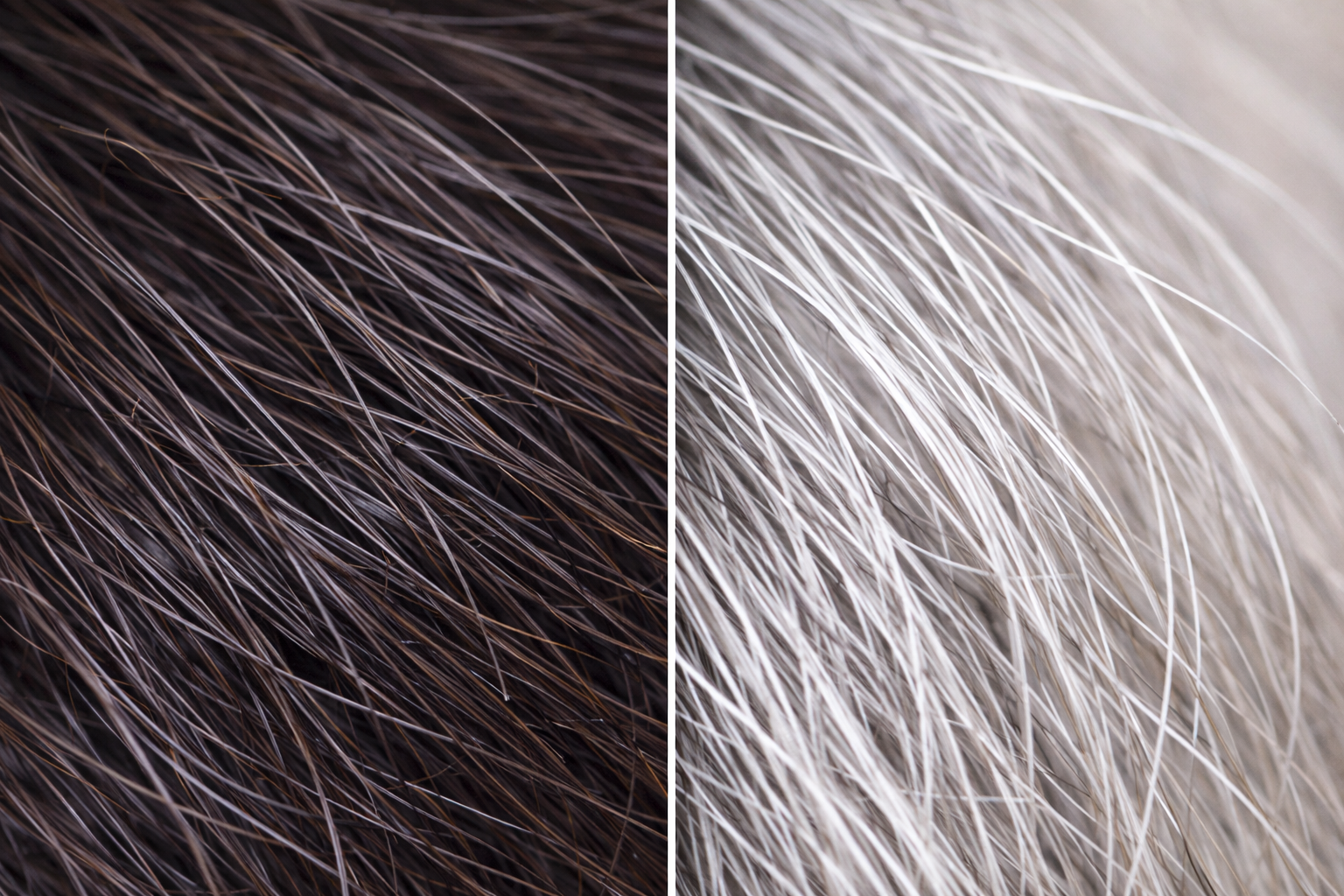
Gray hair is one of the most common concerns clients bring to the chair and also one of the most misunderstood.
Understanding Gray Hair: What It Is, Why It Happens, and Your Real Options
Some people panic when they see it. Others assume stress caused it. Many believe there's a way to reverse it.
Let's clear that up.
Here's a full breakdown of what gray hair actually is, why it happens, and what your options really look like, whether you choose to color it or embrace it.
What Causes Gray Hair?
Gray hair happens when your hair follicle stops producing melanin, the pigment that gives hair its color.
Every strand grows from a follicle that contains melanocytes. These cells produce pigment and deposit it into the strand as it grows. Over time, they slow down or stop.
As pigment production decreases:
Hair looks gray or silver
Eventually, strands may look white
Once a strand grows in gray, that strand won't regain its pigment.
Why Does Hair Turn Gray?
Gray hair is mainly driven by genetics. If your parents or grandparents went gray early, there's a strong chance you will too. If they went gray later, your timing may follow theirs.
Other contributing factors can include:
Natural aging of the hair follicle
Oxidative stress in the body
Certain medical conditions or deficiencies
Smoking
Hormonal changes
For more on how hormones affect your hair, read Perimenopause vs. Menopause: How Hormonal Shifts Affect Your Hair.
Is Gray Hair Hereditary?
Yes. Genetics play the biggest role.
Some people see gray in their 20s or early 30s. Others don't notice it until their late 40s or 50s. There's no "right" age to go gray, only your genetic timeline.
Does Stress Cause Gray Hair?
Stress doesn't turn hair gray overnight. But long-term stress can affect the body in ways that may speed up the graying process for some people.
Think of stress as a contributing factor, not the root cause.
Why Does Gray Hair Feel Different?
Gray hair often feels:
Drier
Coarser
More resistant to color
As hair ages, the scalp produces less natural oil, and gray strands can have a different feel and structure than pigmented hair. That's why gray hair can feel different even if your routine hasn't changed.
Gray hair usually benefits from:
More moisture, starting with a moisturizing cleanse like CÉCRED Hydrating Shampoo
Sealing in that moisture with a few drops of CÉCRED Nourishing Hair Oil
Protein and moisture balance
Gentle handling
Products chosen for your hair's needs
Gray hair can also pick up a yellow or dull tone over time. A shampoo with blue-violet pigments, like CÉCRED Detoxifying Shampoo, can help keep gray and silver hair looking bright.
Your Options When Your Hair Starts Turning Gray
Option 1: Coloring Gray Hair
If you choose to color your gray, consistency matters. Gray hair resists color because it lacks pigment, which is why professional formulas and a maintenance schedule are important.
Coloring gray hair often requires:
Proper pre-treatment
A strategic color formula
Regular maintenance
This isn't something to approach casually if your goal is healthy hair long term. Read more in When Hair Color Changes More Than Just the Shade.
Option 2: Going Gray Naturally
If you decide to stop coloring and embrace your gray, know that it's a process, not a moment.
Transitioning to gray may involve:
Growing out your natural gray while trimming colored ends
Strategic blending or lowlights
Patience and realistic timelines
Some people transition quickly. Others prefer gradual blending to avoid a harsh line. Both approaches are valid.
Gray Hair Myths
Myth: Plucking one gray hair makes more grow.
Truth: Each follicle grows one strand. Plucking doesn't spread gray hair.
Myth: Gray hair means unhealthy hair.
Truth: Gray hair isn't unhealthy. It simply lacks pigment.
Myth: Supplements can reverse gray hair.
Truth: Supplements may support your overall health, but they can't restore pigment to strands that are already gray.
Final Thoughts From the Chair
Gray hair isn't something to fear or fight unless you choose to. It isn't damage. It's simply a natural change in how your hair produces pigment.
Whether you color it, blend it, or fully embrace it, the goal is the same: healthy, well-maintained hair that fits your lifestyle.
What I Recommend
The products I use behind the chair and recommend to my clients for gray and silver hair are on my Salon Recommended page.
In Atlanta? Book your color or blending appointment.
This post is for educational purposes only and is not medical advice. If you're concerned about sudden or excessive graying, nutritional deficiencies, or hormonal changes, consult a licensed medical professional. Some links in this post are affiliate links, and The Press Room may earn a commission.