

Transitioning from Relaxed to Natural Hair: What the Process Really Looks Like
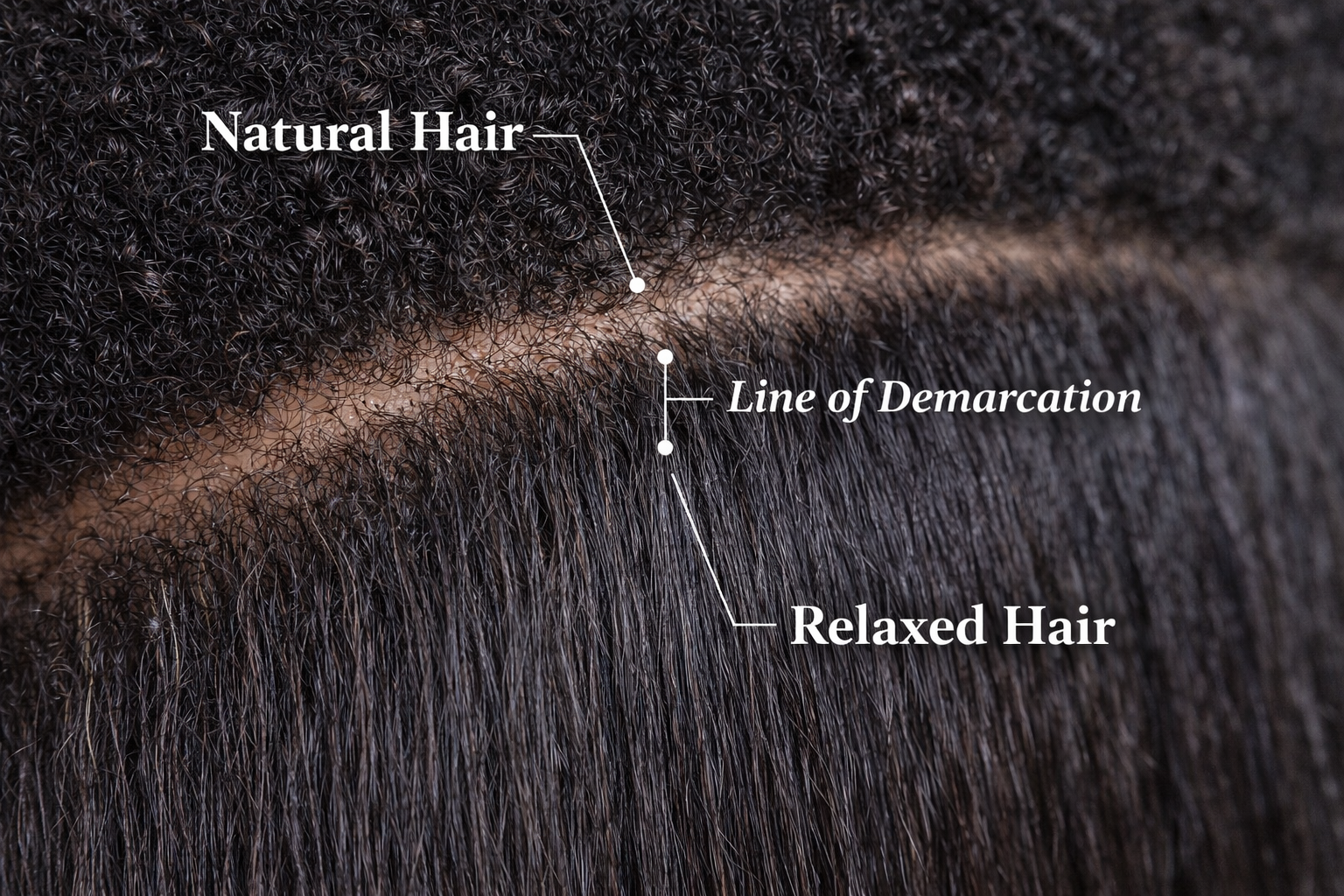
This photo is property of The Press Room Salon
Transitioning from relaxed to natural hair is one of the most common conversations I have in the salon, and one of the most misunderstood.
Many people assume transitioning just means stopping relaxers. In reality, it's a period when your hair is managing two completely different textures at once, and how you handle that phase decides whether your hair thrives or struggles.
Here's what it actually looks like.
What Does Transitioning Hair Mean?
Transitioning is the period when new natural hair grows in while previously relaxed hair stays on the ends. During this phase, your hair has:
Natural texture at the root
Chemically straightened hair through the mid-lengths and ends
A fragile line of demarcation where the two textures meet
That line is the weakest point of your hair and needs intentional care.
Option 1: The Big Chop
The big chop means cutting off all your relaxed hair at once, leaving only your natural hair.
Pros:
Removes all chemically treated hair right away
No line of demarcation to manage
The fastest path to fully natural hair
Cons:
Requires being comfortable with shorter hair
Styling options may feel limited at first
You'll need to learn your natural texture quickly
This works well for clients who want a clean slate and are comfortable with shorter styles while their hair grows.
Option 2: Gradual Transitioning
Gradual transitioning lets your relaxed hair grow out over time while the ends are trimmed periodically.
Pros:
You keep your length longer
More styling versatility during the process
An easier emotional adjustment for some clients
Cons:
Higher risk of breakage if it isn't maintained properly
Requires consistent trims
Takes patience and a structured routine
This works best for clients who are committed to maintenance and understand that trims are non-negotiable. To compare both options in more depth, read Big Chop vs. Growing It Out: How to Choose the Right Transition Path.
How to Prevent Breakage When Transitioning
Common challenges during transitioning include:
Breakage at the line of demarcation
Confusion about which products to use on two textures
Frustration with styling consistency
Dryness from a moisture imbalance
These are normal and manageable with the right routine.
How to Care for Transitioning Hair
Whichever method you choose, maintenance decides your results. Priorities during transitioning:
Regular trims to reduce breakage. Read Why Your Ends Determine Your Length.
Moisture and protein balance, starting with a gentle cleanse like CÉCRED Hydrating Shampoo
Sealing your relaxed ends with CÉCRED Nourishing Hair Oil
Low-manipulation styling
Avoiding excessive heat and tension
Reducing friction overnight with a silk or satin pillowcase
Protective styles can help, but they have to be installed and maintained properly. Extensions, sew-ins, and braids should support your hair's health, not replace it. Read more in Why "Protective Styles" Aren't Always Protective.
Is Transitioning Right for Everyone?
Transitioning is a personal choice, not a requirement.
Some clients thrive with relaxers. Others feel more aligned with their natural texture. The goal isn't to follow trends. It's to choose what works for your lifestyle, your hair, and your long-term goals.
Healthy hair exists across every texture and chemical choice when it's cared for correctly. If you're still weighing your options, read Relaxers vs. Smoothing Treatments: What's the Difference and Which Is Right for You.
Why Professional Guidance Matters When Transitioning
Transitioning without professional support often leads to unnecessary breakage and frustration. A licensed stylist can:
Help you choose the right transition method
Create a trim and treatment schedule
Adjust your routine as your hair changes
Catch issues before damage happens
What I Recommend
The products I use behind the chair and recommend to my clients for transitioning hair are on my Salon Recommended page.
Considering transitioning or already in the middle of it? Book a Pre-Service Virtual Consultation, or if you're in Atlanta, book your appointment.
This post is for educational purposes only and is not medical advice. Hair behavior can be influenced by health, hormones, medications, and lifestyle. Consult a medical professional for underlying health concerns. Some links in this post are affiliate links, and The Press Room may earn a commission. As an Amazon Associate I earn from qualifying purchases.