

Perimenopause vs Menopause: How Hormonal Shifts Affect Your Hair
If you’ve noticed changes in your hair over the past few years thinning, increased shedding, changes in texture, or less density you’re not imagining it. For many women, these shifts begin long before periods stop, and they are tightly linked to hormonal changes during perimenopause and menopause.
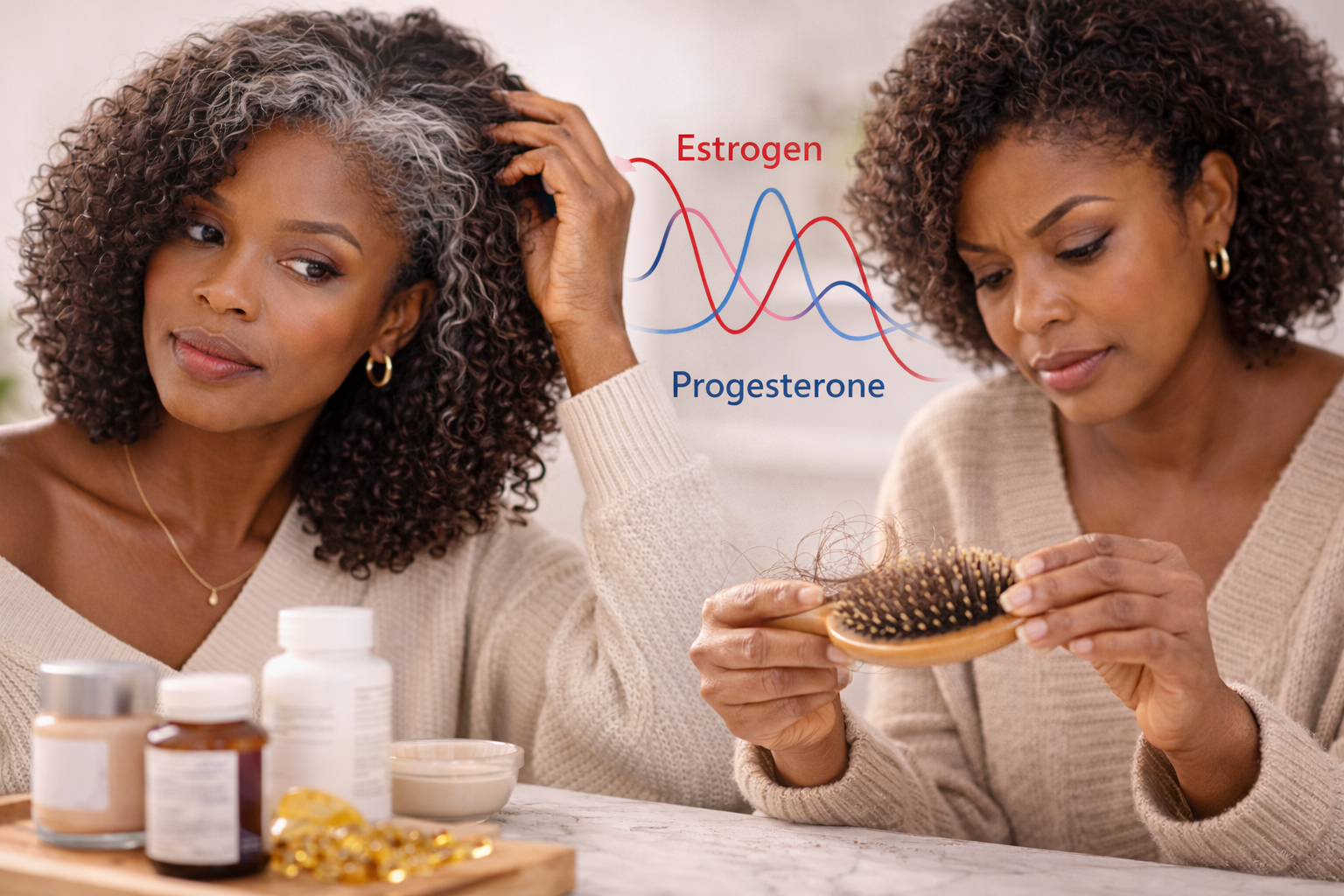
This photo is the product of The Press Room Salon
What is Perimenopause and What Is Menopause?
Perimenopause is the transitional phase leading up to menopause. It can start anywhere from the early 40s to late 40s and can last several years, often 2 to 8 years before full menopause. During perimenopause, estrogen and progesterone levels fluctuate unpredictably, which can affect hair behavior. Natural Cycles+1
Menopause is reached when a person has gone 12 consecutive months without a menstrual period. The average age of menopause is around 51, and the transition can begin years earlier. Wikipedia
While both stages involve hormonal shifts, the difference is this: in perimenopause, hormones are fluctuating widely; in menopause, estrogen and progesterone are consistently lower.
How Hormonal Changes Impact Hair
Estrogen supports the anagen phase, the active growth stage of the hair cycle. When estrogen levels fall, the anagen phase shortens, and more hairs shift into the telogen (resting or shedding) phase. This can lead to increased shedding or thinning. Hoag Hospital
Estrogen also helps maintain hair density and texture. When it declines:
Hair can feel thinner or more brittle
Texture may change (drier, coarser, or altered curl pattern)
New hair may grow finer than before
Shedding can become more noticeable
Because androgen levels (like testosterone) remain more stable, a relative increase in androgen influence can also contribute to hair follicle sensitivity, making thinning more noticeable in certain areas like the crown or part line. ScienceDirect
Typical Age Range and Heredity
Perimenopause commonly begins in the 40s, but it can start earlier or later depending on individual factors, including genetics. Research suggests the age at which menopause occurs may run in families, so if your mother or aunt experienced early transitions, you might too. Natural Cycles
However, heredity influences when changes begin and how symptoms present, not whether they will occur. Everyone’s hormone journey is unique.
What Hair Changes Look Like
During perimenopause and menopause, hair changes often include:
Increased shedding beyond normal daily loss
Reduced density and finer texture
Dryness or brittle feel due to decreased oil production
Wider parting or thinning at the crown
Slower replacement of shed hair (growth phase shortened) Breastcancer.org
It’s common to describe this as hair that “just isn’t the same,” even when care habits haven’t changed.
Can Vitamins and Supplements Help?
There’s no one magic pill, but certain nutrients can support overall hair health, especially when hormone fluctuations interfere with hair cycles.
Commonly discussed options include:
Biotin for keratin synthesis
Vitamin D linked to hair cycle regulation
Iron if deficiency is present
B-vitamin complex for overall hair metabolism
Some supplements are marketed toward menopausal symptoms or hair health specifically, but their effectiveness can vary significantly between individuals. There isn’t strong universal evidence that supplements alone can stop hormonally driven hair changes they’re best used as part of a broader support plan that includes diet, sleep, stress management, and medical guidance.
It’s important to talk with your healthcare provider before starting any supplement, especially if you’re taking medications or have underlying health conditions.
Why Working With a Doctor Matters
As a stylist, I can help you interpret how the hair looks and behaves, but I can’t diagnose hormonal conditions.
If you’re experiencing hair thinning or shedding that feels unusual or persistent:
A medical evaluation can measure hormone levels
Thyroid testing can rule out other contributors
Nutritional bloodwork can identify deficiencies
Working with your doctor gives you a full picture of what’s happening internally, which helps you and your stylist tailor care effectively.
A Well-Known Resource You Can Read Too
For a clear medical perspective on perimenopause vs menopause and how symptoms differ, check out this overview from a trusted health outlet:
➡️ What Is the Difference Between Perimenopause and Menopause? — Health.com (explains timing, hormone changes, symptom differences, and definition) Health
Realistic Expectations and What Helps
Understanding that hormone-related hair changes are a process, not a failure, is key. Changes in hair texture, density, or shedding can continue slowly over time rather than suddenly. Good hair care routines still matter, but they work alongside your body’s biology not against it.
Taking a collaborative approach stylist, healthcare provider, and you gives you the best path forward.
Disclaimer:
The information shared on this blog is for educational and informational purposes only and is based on professional experience as a licensed hairstylist. It is not intended to diagnose, treat, or replace medical advice. Hormonal changes, hair shedding, thinning, or scalp concerns can be influenced by a variety of factors, including health, lifestyle, genetics, and environment. For medical evaluation or persistent concerns, please consult a qualified healthcare provider.