

Dandruff vs Dry Scalp: Why Treating the Wrong One Makes Things Worse
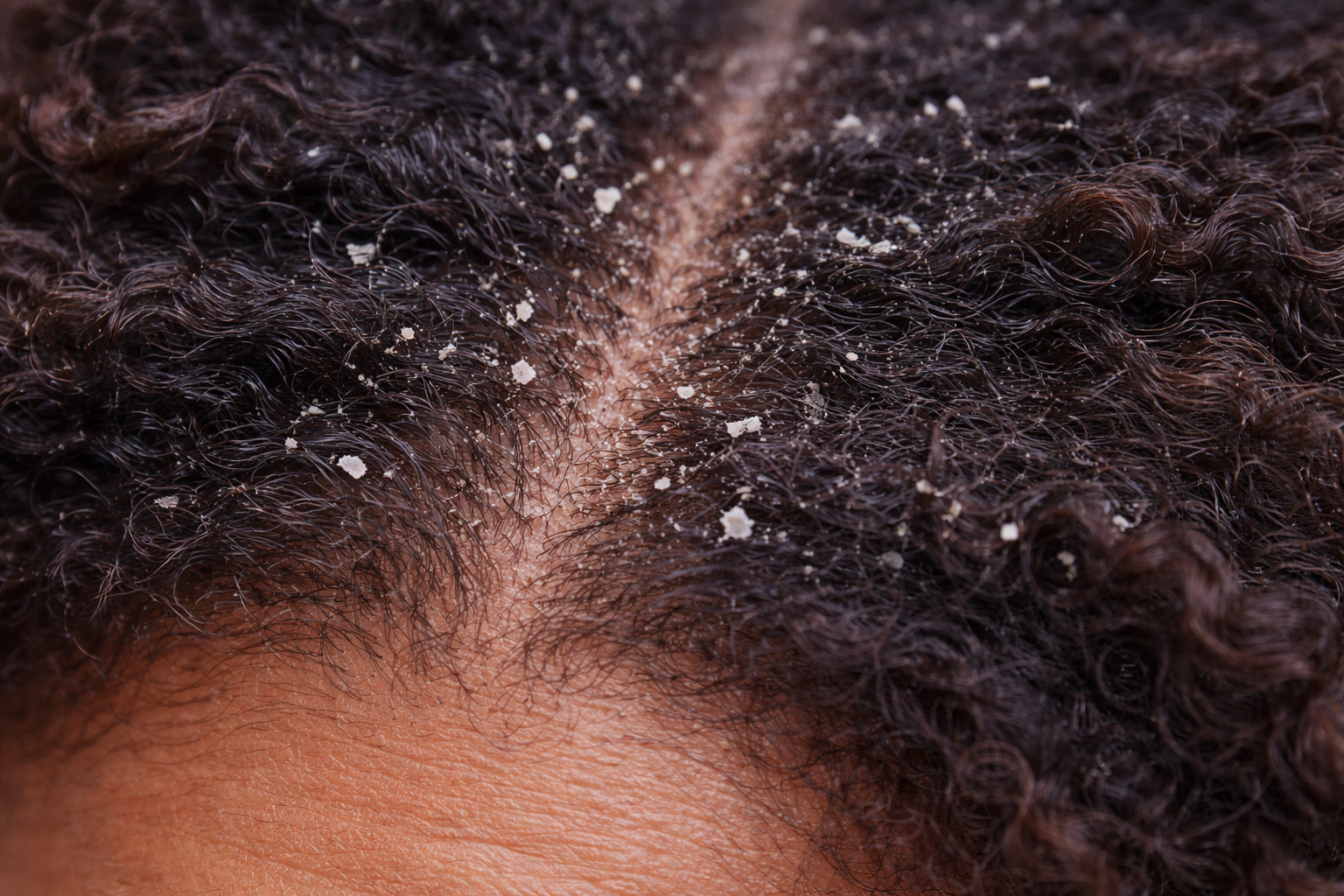
Flaking is often treated as a surface-level issue.
A new shampoo, a heavier oil, or washing more often. But scalp health is more complex than that.
One of the biggest mistakes people make is assuming all flakes mean the same thing. In reality, dandruff and dry scalp are two different conditions with different causes and different solutions.
Treating the wrong one can prolong the problem.
What Is Dry Scalp?
Dry scalp occurs when the scalp lacks adequate moisture. This often happens due to environmental factors, product misuse, or lifestyle habits.
Common causes of dry scalp include:
Cold or dry weather
Infrequent washing
Overuse of drying products
Excessive heat styling
Not moisturizing the scalp properly
Common signs of dry scalp:
Small, white flakes
Tightness
Itchiness
No redness or inflammation
Dry scalp is a moisture issue, not an infection.
What Is Dandruff?
Dandruff is a scalp condition often linked to an overgrowth of yeast that naturally lives on the scalp. When this yeast multiplies too quickly, it causes irritation and increased skin cell turnover.
Common triggers include:
Hormonal changes
Stress
Product buildup
Infrequent or inconsistent cleansing
Scalp imbalance
Common signs of dandruff:
Larger, yellow or white flakes
Oily or waxy flakes
Redness or irritation
Persistent itching
Dandruff is not caused by dryness alone. Adding oils without addressing the underlying issue can worsen it.
Why Treating the Wrong One Causes Problems
Using heavy oils on dandruff can trap yeast and increase flaking.
Using harsh clarifying shampoos on dry scalp can strip moisture and worsen irritation.
This is why identifying the root cause matters more than the flakes themselves.
How a Stylist Can Help
As a licensed professional, I assess:
Scalp appearance
Flake size and color
Oil production
Product history
Styling habits
From there, we can determine whether the issue is dryness, dandruff, or something more complex.
When to See a Medical Professional
Some scalp conditions require medical support. If flaking is accompanied by severe redness, pain, scabbing, or hair loss, a dermatologist should be consulted.
A stylist can help manage and support scalp health, but cannot diagnose medical conditions.
The Takeaway
Flakes are a symptom, not a diagnosis.
Understanding whether you’re dealing with dry scalp or dandruff is the first step to actually improving scalp health and supporting hair growth.
Important Disclaimer
This blog is for educational purposes only and is not medical advice. Scalp conditions can be influenced by health, hormones, medications, and genetics. Always consult a licensed medical professional for diagnosis or treatment of scalp disorders.
For professional scalp assessments and customized hair care plans, visit:
www.thepressroomsalon.com